
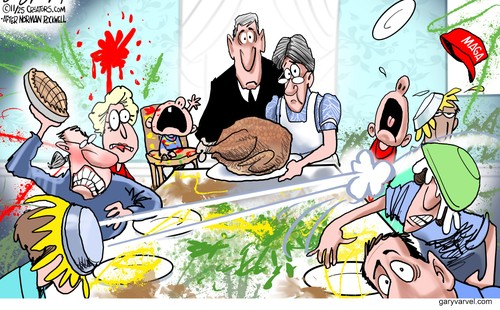
Let’s get real – Republicans hold a slim House majority (currently around 220-215 based on recent special elections and vacancies) and haven’t got a prayer to retain control of the House in 2026. Historical trends are unforgiving: the president’s party has lost an average of 28 House seats in midterms since World War II, with only rare exceptions when the economy feels strong for voters. That’s not happening this year and into next. Recent off-year elections (e.g., Democratic wins in Virginia, New Jersey, and New York City) highlight affordability as the top voter concern, especially among independents and younger demographics like Gen Z, who polls show are pessimistic about housing (84% delaying life milestones like marriage or kids due to costs) and jobs (66% more worried about future housing security than last year).
So, though inflation at 3%—down from Biden-era peaks but still above the Fed’s 2% target— not good enough. And tariffs have blunted wage gains for many, fueling perceptions of a “K-shaped” recovery where stocks boom but groceries, rent, and homes remain out of reach. Bottom line: to retain the House, the administration must deliver tangible relief on prices, wages, and housing within 12 months—by November 2026—to shift voter sentiment. Although I’m sure the Trump team and Republican states will do their best – Democrat controlled cities and states will do everything they can to make things worse. Welcome to American politics – where Democrats thrive in chaos and even say so – “Don’t let a good crisis go to waste” and if you don’t have a crisis – Create one!
With help of Elon’s buddy Grok – here are a few things that might give Trumpies a chance – but worse case – these are things we should do to pump up the economy for when it really counts in ’28 to make sure that JD continues the Trump America First legacy and not big haired empty headed Governor of Mexifornia.
These draw from ongoing White House discussions (e.g., tariff rebates, mortgage reforms) and expert analyses, emphasizing policies that boost real wages (up ~1.2% since January but lagging for lower earners) and homeownership (Gen Z first-time buyer share at a record-low 21%).
1. Tackle Everyday Costs: Use Tariffs for Targeted Relief (Months 1-6) Tariffs have raised ~$100B in revenue so far but added ~$1,800/year to household costs; redirecting funds could offset this politically. nytimes.com
| Action | Timeline & Mechanism | Expected Impact | Political Win for 2026 |
| Issue $1,500-$2,000 “affordability rebates” to middle-class families (e.g., incomes $50K-$150K) funded by tariff proceeds. | Q1 2026: Executive order via Treasury; needs quick congressional nod in reconciliation bill. | Covers ~6 months of grocery hikes; reaches 60M households, directly aiding Gen Z/multiple-job holders. Polls show 66% of voters prioritize cost-of-living. nytimes.com | Frames Dems as “tax-and-spend” vs. GOP “relief now”; Trump can tout as “Biden’s inflation fix.” Boosts turnout in swing suburbs (e.g., NY-17, PA-07). |
| Cap insulin/drug prices at $35/month and negotiate GLP-1 (e.g., Ozempic) deals for obesity/diabetes meds. | Q2 2026: Build on existing executive authority; expand via HHS rulemaking. | Saves families $500+/year on healthcare; targets 40M affected Americans, including young workers. | Appeals to working-class independents (32% Trump approval there); counters Dem attacks on “gutting Medicaid.” businessinsider.com |
2. Boost Wages and Jobs: Deregulate for Growth (Months 3-9) Real wages rose $1,200/household since January, but Gen Z sees stagnant entry-level pay amid AI/job fears; aim for 3-4% GDP growth by mid-2026.
| Action | Timeline & Mechanism | Expected Impact | Political Win for 2026 |
| Roll back Biden-era regs on energy/small business (e.g., streamline EPA permits for drilling/fracking). | Q2-Q3 2026: Executive orders via DOE/EPA; include in reconciliation for permanence. | Adds 500K jobs in energy/manufacturing; lowers gas to ~$2.50/gallon, easing commutes for multiple-job Gen Z (51% cite affordability as top life concern). nytimes.com +1 | “Drill baby drill” rallies base; shows wage gains (blue-collar up 6% historically) in Rust Belt districts (e.g., OH-01, MI-07). Ties to Trump’s “promises kept.” americanfaith.com |
| Launch apprenticeships/tax credits for Gen Z trades/tech training ($5K credit per worker). | Q1-Q4 2026: IRS rulemaking + Labor Dept. grants; fund via reconciliation. | Trains 1M young workers for $60K+ jobs; counters “no future” hopelessness (30% Gen Z consider squatting). cleveroffers.com | Positions GOP as “future-builders” vs. Dem “socialism”; targets youth turnout (Gen Z voted 55% Dem in 2024). |
3. Fix Housing: Unlock Supply for Young Buyers (Months 2-12) Median homes cost $417K (needing $114K income); 72% of Gen Z fear lifelong renting. Focus on federal land/incentives to add 2M units.
| Action | Timeline & Mechanism | Expected Impact | Political Win for 2026 |
| Pilot 50-year mortgages for first-time buyers under 35 (lower monthly payments via FHA). | Q2 2026: HUD executive action; test in 10 states. | Drops payments 20-30% (e.g., $417K home from $2,800 to $1,900/month); aids 1M Gen Z buyers annually. | “American Dream revived” narrative; flips suburban seats (e.g., CA-45, where 82% Gen Z want homes but can’t afford). bbc.com +1 |
| Open federal lands for affordable prefab housing developments; offer builder tax breaks. | Q3-Q4 2026: Interior Dept. leases + reconciliation incentives. | Builds 500K units/year at $250K-$350K; eases supply crunch (69% Gen Z target <$400K homes). cleveroffers.com | Blames “Biden border chaos” for demand spikes; wins Sun Belt battlegrounds (e.g., AZ-01, NV-03) by addressing “rigged market” fears. ft.com |
Overarching Strategy: Messaging and Mobilization (Ongoing)
- Trump’s Role: Hit the trail Q1 2026 with “Affordability Tour” rallies in 20 swing districts, echoing 2024 energy to turnout non-midterm voters (key to his ’24 win).
Early endorsements (already 47 House candidates) lock in primaries; tie every policy to “Make America Affordable Again.”
Reconciliation Push: Bundle into a “Big, Beautiful Bill” by summer 2026 (tax extensions + relief); pass by mid-2025 for voters to feel gains.
Risks & Metrics: Monitor independents (need 38%+ approval) and Gen Z turnout; success if CPI drops to 2.5% and home sales rise 10% by Q3 2026.
Failure on perception (e.g., “prices up despite claims”) hands Dems 35+ targets.
These steps aren’t panaceas—structural issues like zoning and AI job shifts persist—but they offer measurable progress to counter “unaffordable” narratives from figures like Mamdani. If executed, they could defy midterm gravity, holding the House by framing Republicans as the party delivering relief, not rhetoric.
This probably won’t win in ’26 but by ’28 this could make the difference whether we have JD as Commander in Chief or Comrade Newscum.